Travel guide
Things to do in Jericoacoara
The sunset dune, Pedra Furada, paradise lagoons, kitesurf and buggy tours — everything worth your time in Brazil's most magical car-free village.
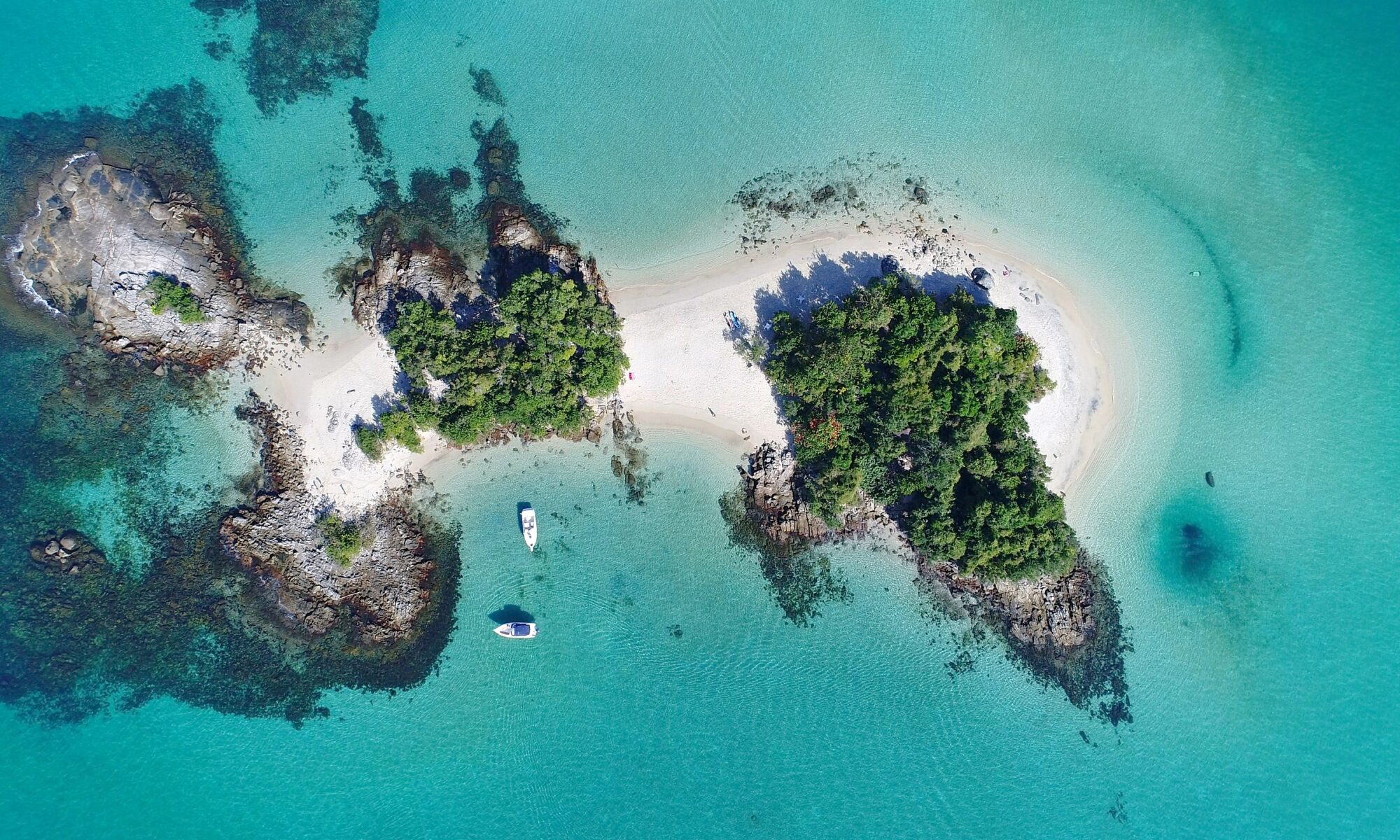
The sunset dune, Pedra Furada, paradise lagoons, kitesurf and buggy tours — everything worth your time in Brazil's most magical car-free village.
Jericoacoara isn't a place you rush. Once you've crossed the dunes into the village, life slows to the pace of sand streets, hammocks and long sunsets. But there's plenty to do between the naps — from climbing the famous sunset dune to floating in freshwater lagoons and riding a buggy across wild coastline. Here are the experiences worth planning your days around.
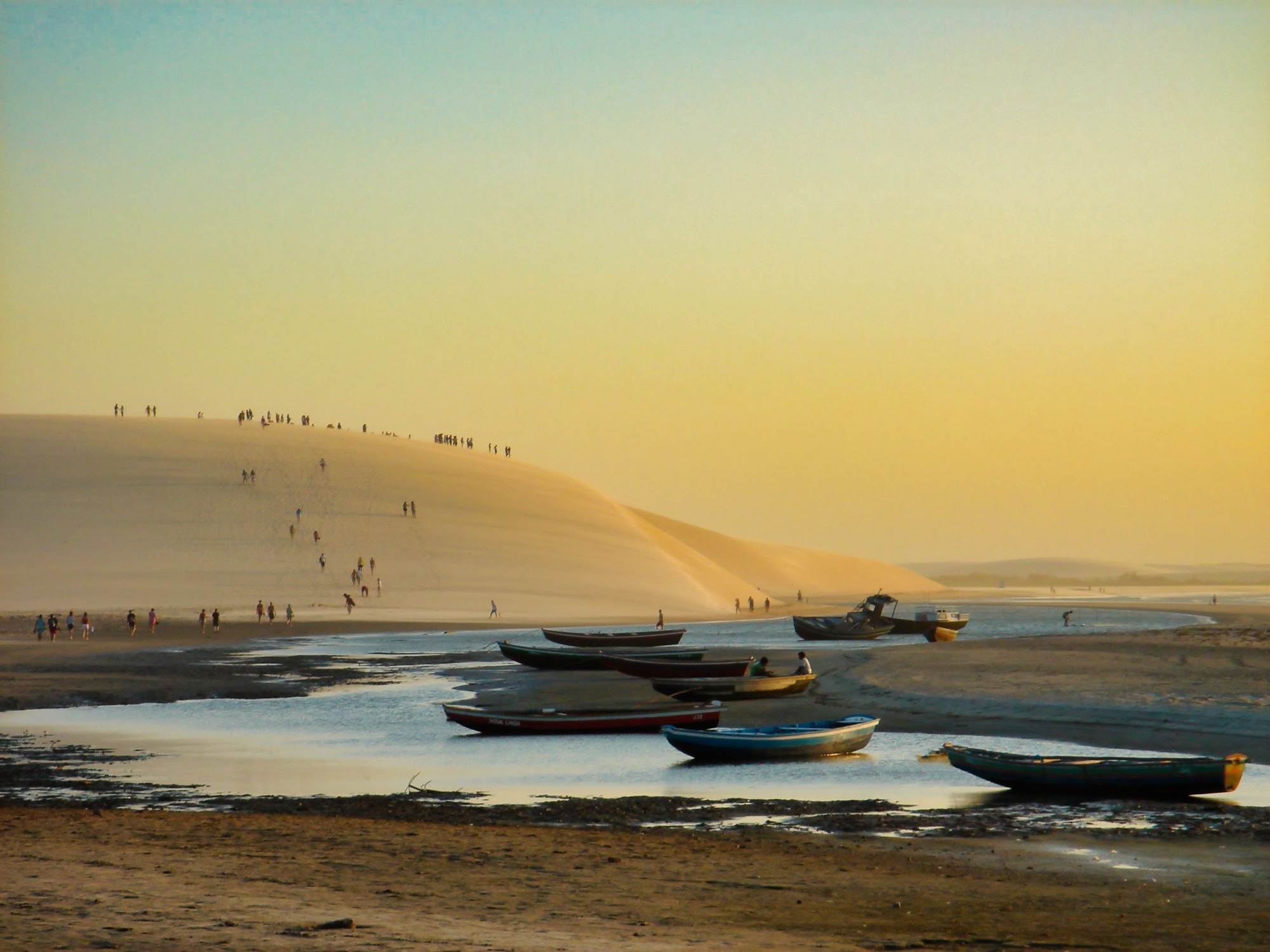
The nightly ritual. Climb the giant dune at the edge of the village, find a spot in the sand and watch the sun sink into the Atlantic as a hush falls over the crowd — then applause. Bring a caipirinha from a beach cart and arrive 30 minutes early.
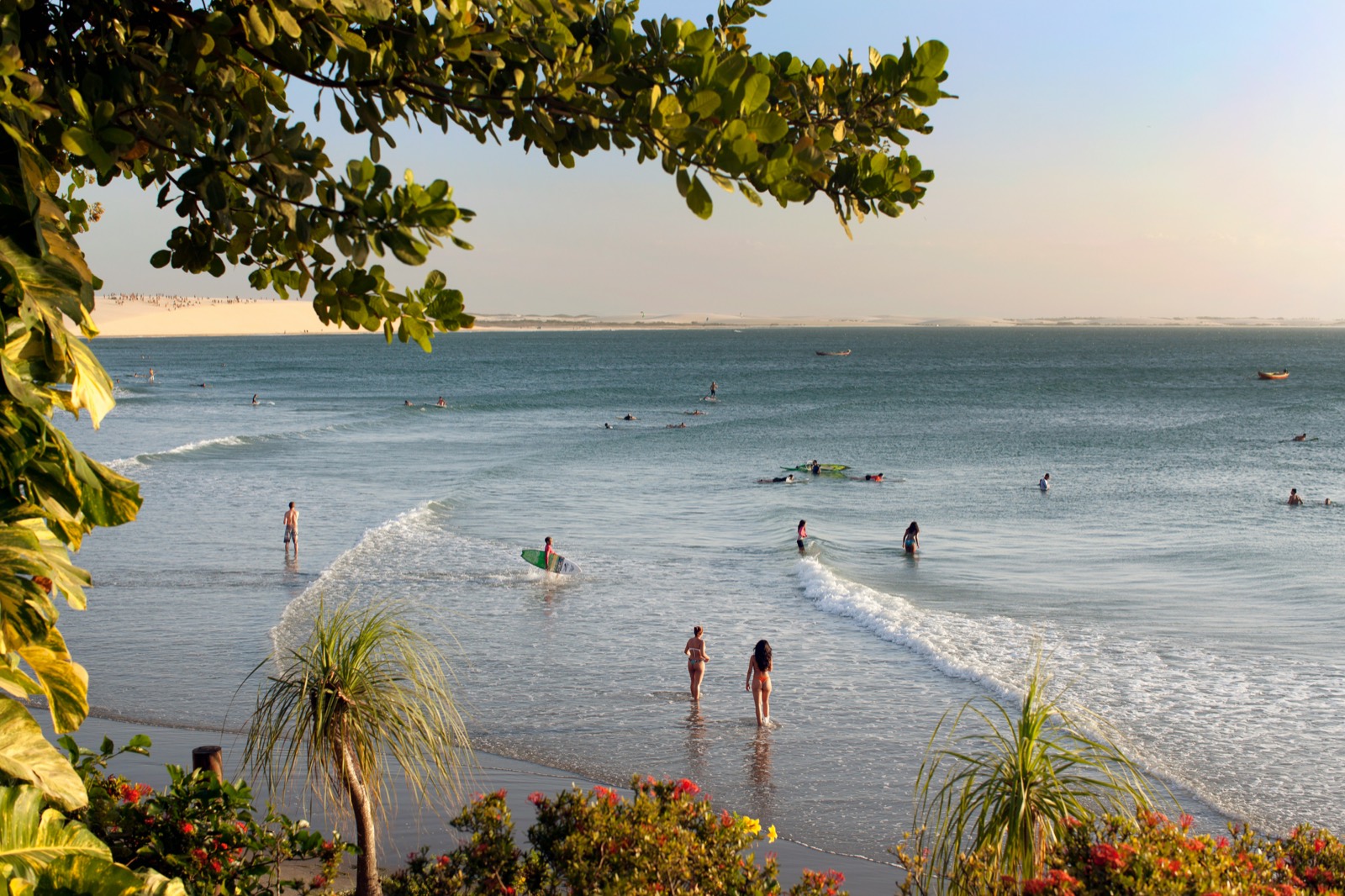
Jeri's postcard landmark: a natural stone arch carved by the sea, reachable on foot at low tide or by buggy. Go early to catch the light and time your visit with the tide table — the "window" is only walkable when the water is out.
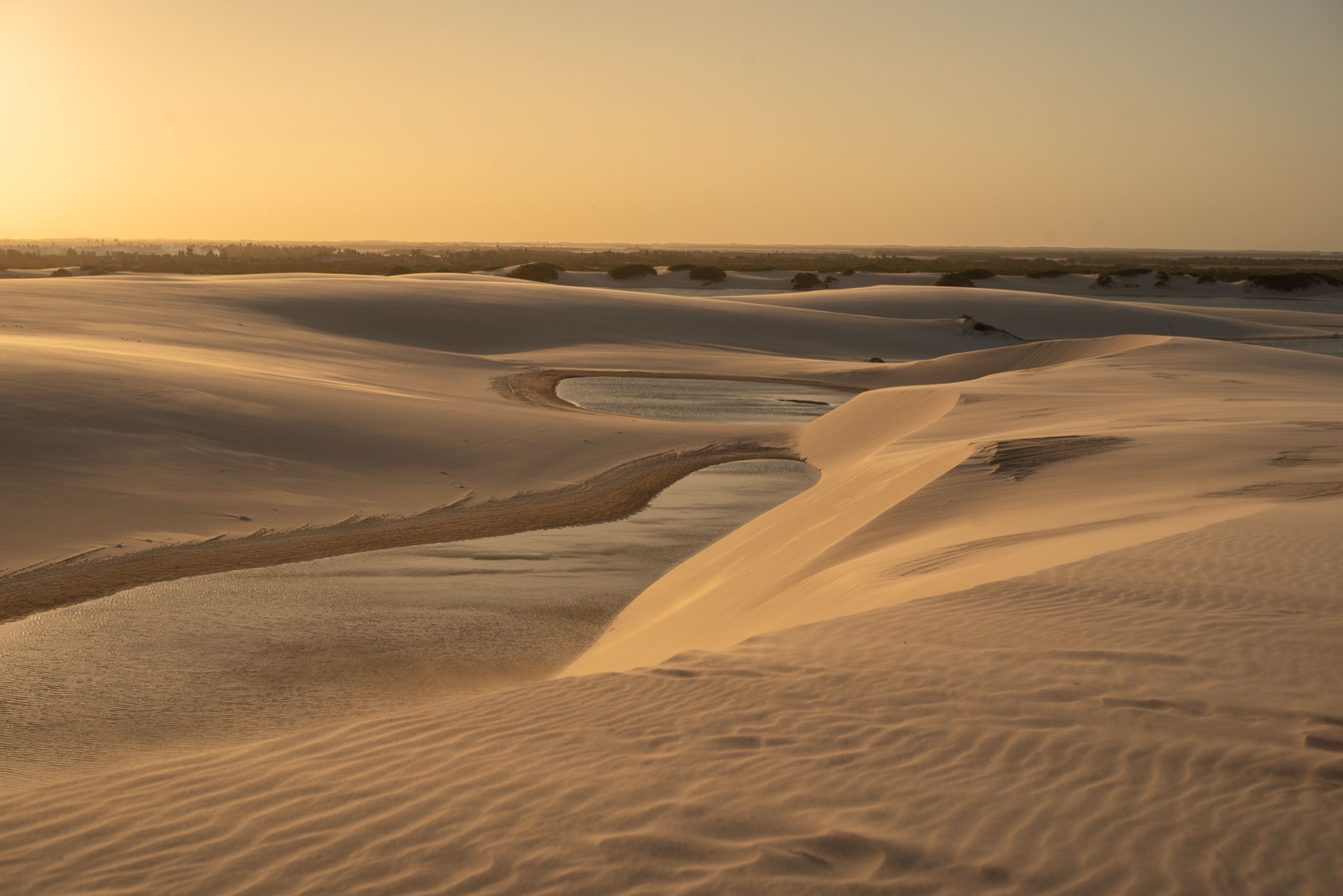
"Paradise Lagoon" earns its name: warm, shallow, impossibly blue, with hammocks and floating bars set right in the water. A half-day buggy trip here is the quintessential Jeri afternoon. Best from mid-year, when the lagoon is fullest.
Quieter and often bluer than Paraíso, Lagoa Azul is the calmer alternative for a swim and a slow lunch. Many buggy tours combine both lagoons in one day — ask your driver-guide to start here before the crowds.
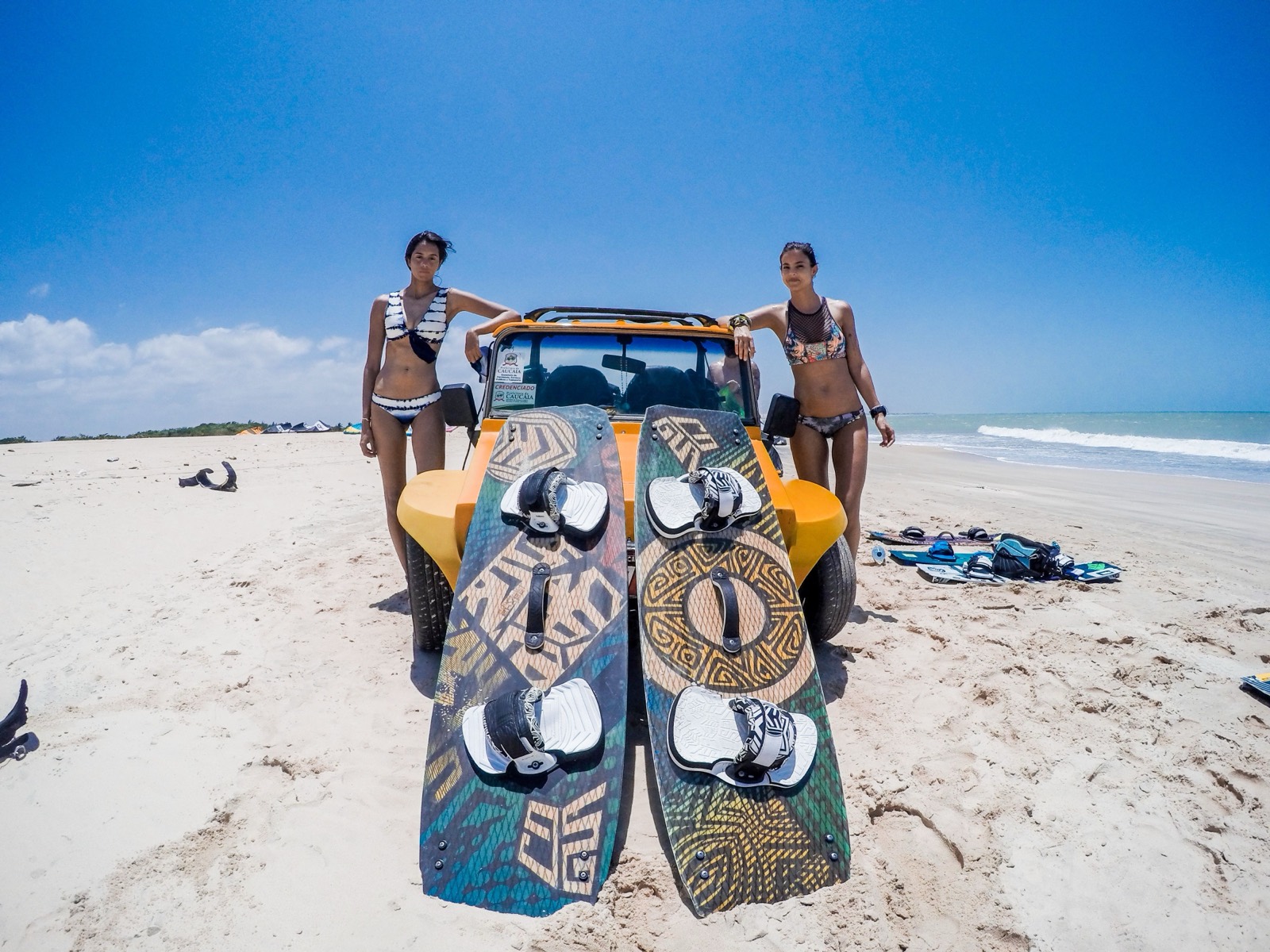
Jeri is a world-class wind spot. From roughly July to January, steady trade winds and warm, flat water draw riders of every level, with schools for beginners right on the beach. Peak wind is September to November — book lessons ahead in high season.
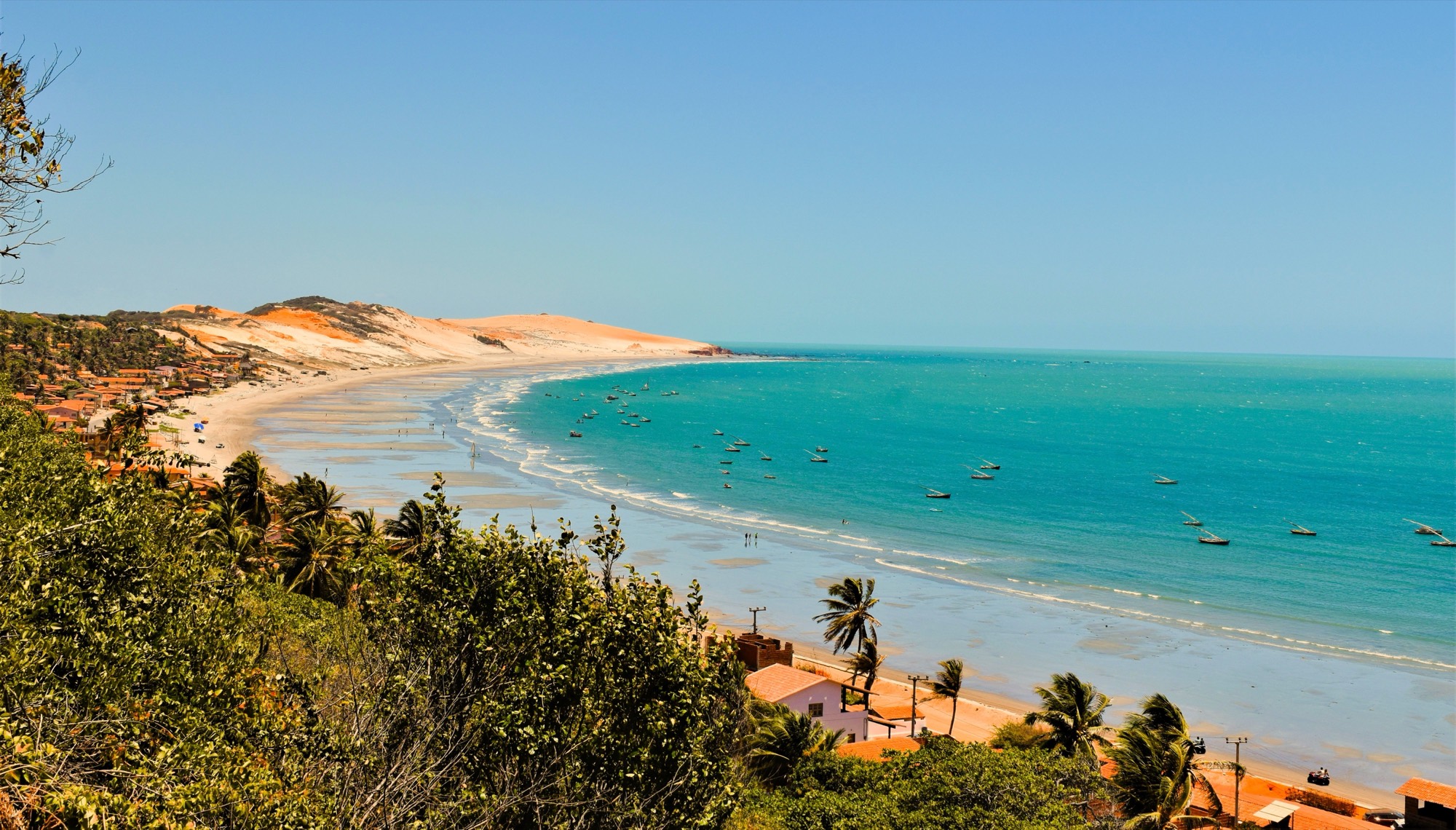
A full-day buggy adventure west of the village: towering dunes you sandboard down, a river crossing on a wooden ferry, the seahorses of Mangue Seco and the freshwater lagoons of Tatajuba. Wild, fun and the best way to feel the scale of this coast.
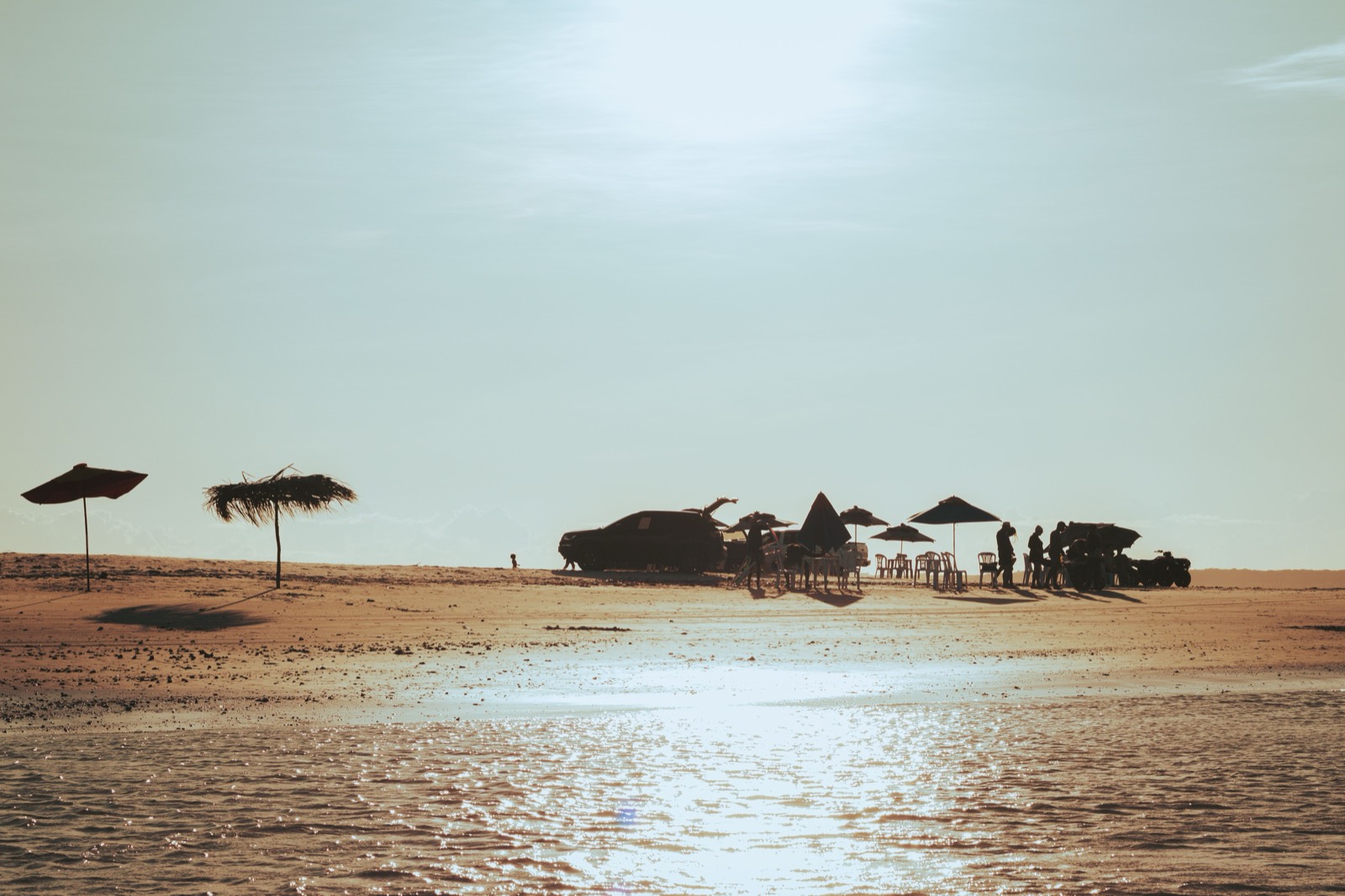
Walk over the rocks from the village to Praia da Malhada for dramatic scenery and calmer swimming, or drop into the beach bars along the main strip. Simple, unhurried, and never far from your pousada.
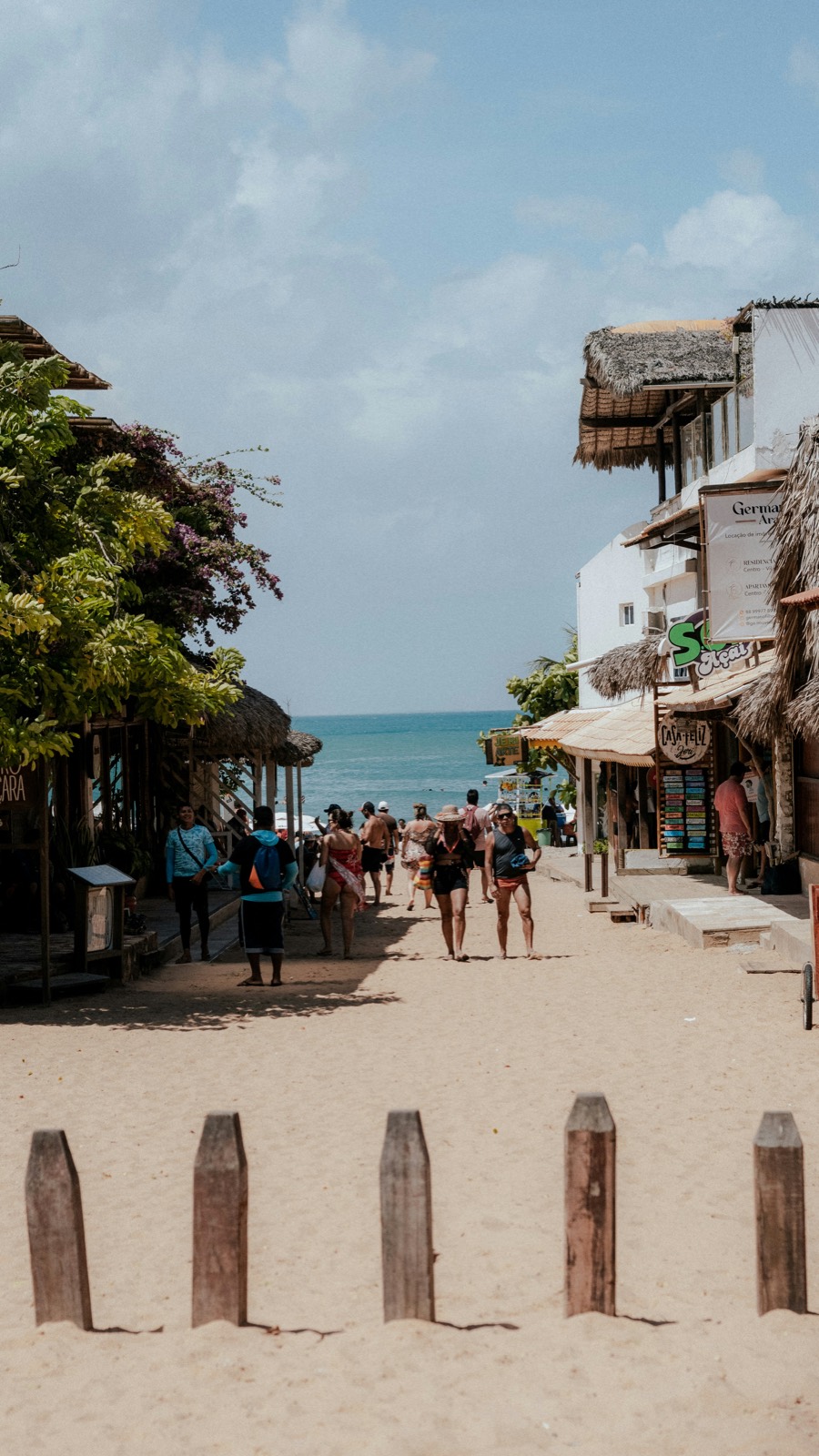
When the sun's down, the sand streets fill with life: forró and live music, capoeira circles, tapioca and seafood stalls, and open-air bars. No cars, no rush — just Rua Principal and the warm evening. This is the soul of Jeri.
What is Jericoacoara best known for?
Its car-free village of sand streets, the towering sunset dune, the Pedra Furada rock arch, and paradise lagoons like Lagoa do Paraíso and Lagoa Azul. It's also one of the world's top kitesurf and windsurf spots.
How many days do you need in Jericoacoara?
Three to four full days covers the village, sunset dune, both lagoons, Pedra Furada and a Tatajuba/Mangue Seco tour, with time to relax or kitesurf. Many travelers happily stay longer.
Do you need a buggy or 4×4 to see the sights?
The village is walkable and car-free. For the lagoons, Pedra Furada, Tatajuba and Mangue Seco you take a buggy or 4×4 tour with a local driver-guide. The sunset dune and Praia da Malhada are within walking distance.
Is there an entrance fee for Jericoacoara?
Yes. Jericoacoara National Park charges R$41.50 per person, paid separately from your transfer. You can pay it online in advance to skip the queue.
Before the dunes and lagoons, there's the journey. Book a door-to-door transfer from Fortaleza — shuttle and 4×4 included.
Book your transfer